The First Dark Monday Commute After Clocks Fall Back
By Suraj Giri · Published
Checked against the cited sources below.
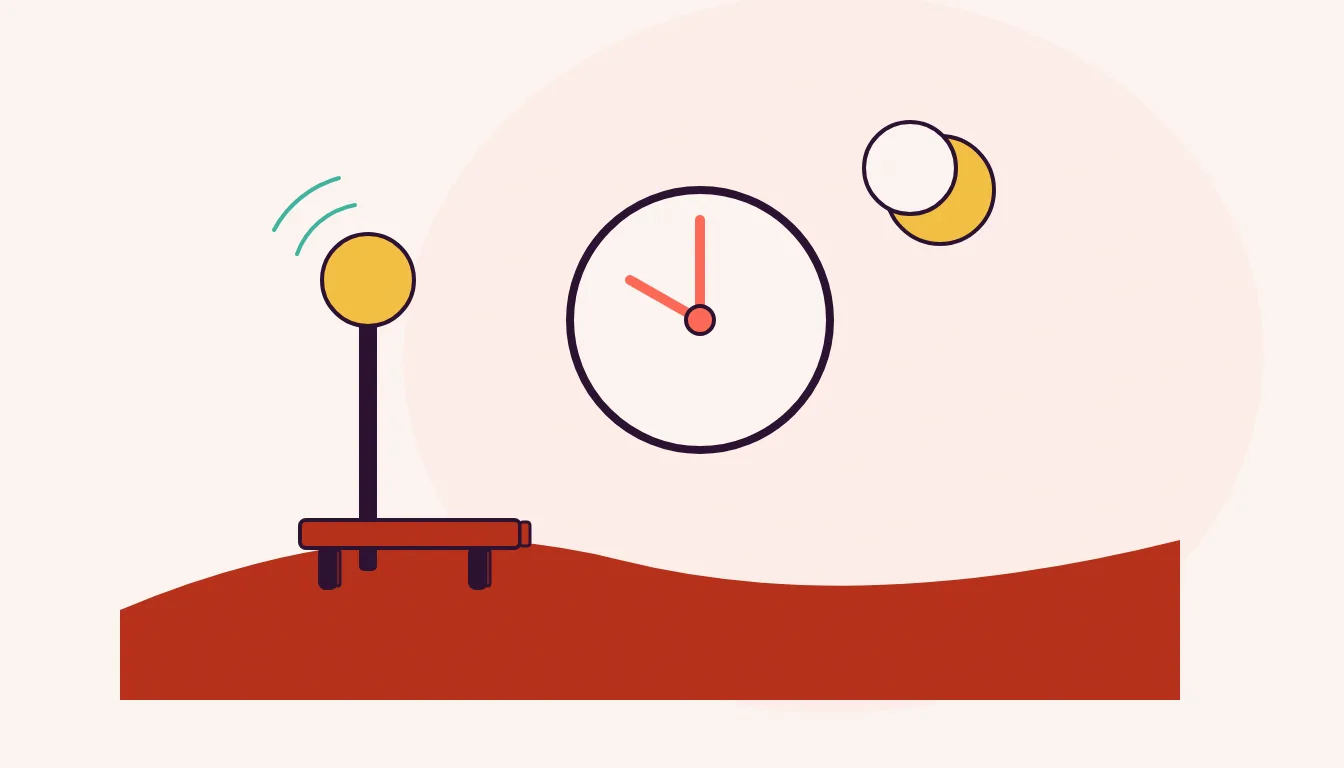
Daylight saving time ended at 2 a.m. on Sunday, November 1, 2026, when clocks were set back one hour to 1 a.m., so Monday, November 2, is the first weekday this fall when evening commute hours across most of the country fall after sunset.
| Item | Date, time or number | Source |
|---|---|---|
| Daylight saving time ends | 2 a.m., Sunday, November 1, 2026 | NIST |
| Clocks move back | From 2 a.m. to 1 a.m. | Wikipedia |
| First dark weekday commute | Monday, November 2, 2026 | NIST (first Sunday of November rule) |
| States and territories exempt | Arizona, Hawaii, and five US territories | Wikipedia |
Why Monday feels different from Friday
The federal rule is fixed: daylight saving time ends at 2 a.m. on the first Sunday of November every year, according to the National Institute of Standards and Technology's daylight saving time rules. In 2026 that Sunday is November 1, so the clock shift itself lands on a weekend, when most people are not commuting. Monday, November 2, is the first weekday on the other side of that change, so the same clock time that was daylight the Friday before now sits an hour closer to nightfall.
That single hour matters more on a workday than a weekend day, because it lands during the part of the evening when people are driving home, picking up children, or heading out to meet someone. Across most of the Lower 48 states, that stretch of the evening shifts from daylight to dusk or dark for the first time this fall.
Who this does not affect
Arizona, outside the Navajo Nation, and Hawaii do not observe daylight saving time, so their clocks stayed the same and their evening light did not shift, according to Wikipedia's summary of the federal and state exemptions. The same is true of American Samoa, Guam, the Northern Mariana Islands, Puerto Rico and the US Virgin Islands. Everywhere else in the country, the change applied at 2 a.m. on November 1.
What to shift in the week of November 2, and when
For the first week after the clocks change, the simplest fix is to move the plan, not fight the dark. A weekday date or meetup that would normally start at 6 p.m. can move to 5 p.m. while people are still adjusting, or stay at its usual time but move indoors or to a well lit spot instead of a park or a patio. Neither change costs anything, and both remove the awkwardness of arriving somewhere unfamiliar after dark.
This is also a reasonable week to keep plans low key. A quiet dinner, a coffee shop, or a round of the site's love tester for a laugh works better than an ambitious outdoor plan while everyone's internal clock is still catching up. Within a week or two, most people stop noticing the earlier sunset as a disruption and it becomes the new normal for the rest of the fall and winter.
Practical steps for the week of November 2
- On Monday, November 2, treat any 6 p.m. plan as if it were 7 p.m. the week before, and pick a lit or indoor venue if the plan is new.
- If a date was set for outdoors after 5 p.m., move it earlier in the day or move the venue indoors, since that slot is now past sunset for most of the country.
- During the week of November 2, use a quiet, low key evening, such as a conversation over the site's relationship compatibility questions, rather than planning something that depends on daylight.
- Check back with a partner or a new match after a week or two, once the earlier sunset feels ordinary rather than sudden.
For other timely relationship guidance this fall, see the site's news coverage.
Sources
Questions people ask
When did daylight saving time end in 2026?
Why is Monday, November 2 called the first dark commute?
Does this clock change affect the whole country?
Should I move a first date or evening plan earlier after the clocks change?
When do clocks change again after this?
More from News

What to Do With Your Extra Hour When Clocks Fall Back
Clocks fall back at 2:00 a.m. on Sunday, November 1, 2026. Here is how a couple can use that extra hour and the earlier evenings that follow.
· By Suraj Giri
Halloween Date Night Ideas for Couples Staying In
Halloween falls on Saturday, October 31, 2026. These at-home date night ideas need no costume budget for couples skipping the party scene.
· By Suraj Giri
National Candy Corn Day: The Love-It-or-Hate-It Test for Couples
National Candy Corn Day falls on Friday, October 30, 2026, the day before Halloween. The love-it-or-hate-it split makes a fun couples talking point.
· By Suraj Giri

National Hermit Day 2026: Why a Partner Needs Alone Time
National Hermit Day falls on Thursday, October 29, 2026, and makes the case that a partner's need for solitude is normal, not a warning sign.
· By Suraj Giri
National Chocolate Day: An Easy Treat for Your Partner
National Chocolate Day falls on Wednesday, October 28, 2026. A shared bar of chocolate or a homemade truffle makes an easy gesture for a partner.
· By Suraj Giri