What to Do With Your Extra Hour When Clocks Fall Back
By Suraj Giri · Published
Checked against the cited sources below.
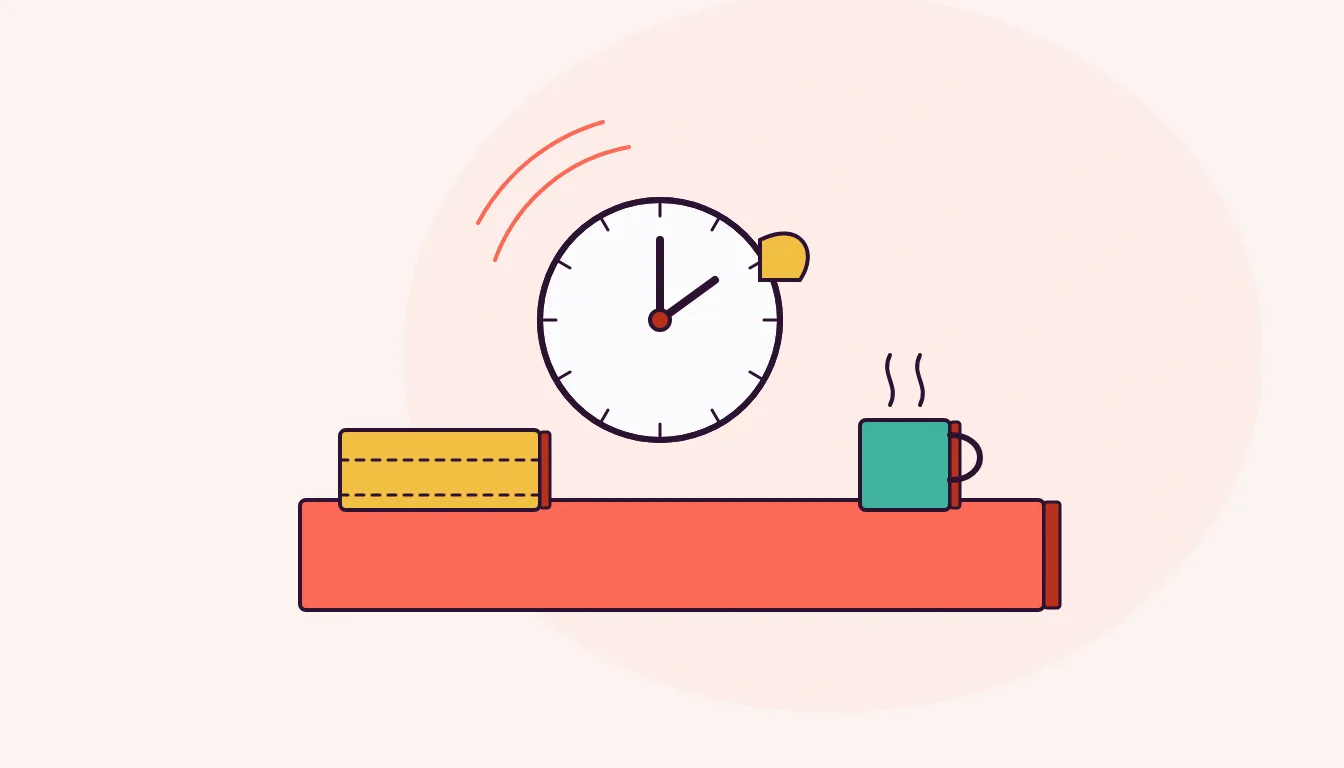
Daylight Saving Time ends at 2:00 a.m. EDT on Sunday, November 1, 2026, when clocks fall back one hour to 1:00 a.m., per NIST. Use the extra hour for a slower morning together, then start date nights earlier as evenings darken sooner.
Key facts
| Item | Date, time or number | Source |
|---|---|---|
| Daylight Saving Time ends | 2:00 a.m. Sunday, November 1, 2026, clocks move back to 1:00 a.m. | NIST |
| Areas that skip the change | Hawaii, most of Arizona, American Samoa, Guam, Puerto Rico, the US Virgin Islands | NIST |
| Sunrise and sunset shift | About 1 hour earlier on November 1 than the day before | timeanddate.com |
| Early-November sunset, northern US | Between 4:30 p.m. and 5:00 p.m. | Farmers' Almanac |
| Daylight Saving Time returns | March 2027, second Sunday of the month | NIST |
| Clock repeats | 1:00 a.m. to 2:00 a.m. happens twice that night | lohud.com |
Why the clocks change at 2 a.m.
The National Institute of Standards and Technology sets the 2026 Daylight Saving Time schedule as running "from March 8 at 2 a.m. (local time) to November 1 at 2 a.m. (local time)." At 2:00 a.m. on November 1, that clock hour resets to 1:00 a.m., so the hour between 1:00 and 2:00 a.m. happens twice. Lohud.com describes the same moment as giving people "an extra hour" that night, since a clock that would otherwise have read 2:00 a.m. reads 1:00 a.m. instead.
Most phones, computers and connected devices adjust automatically overnight. Standalone clocks, car dashboards, oven timers and some watches do not, so those still need a manual hour set back sometime before the household wakes up on November 1.
Two states skip it entirely
Not everyone sees a change at all. NIST states plainly that "DST is not observed in Hawaii, American Samoa, Guam, Puerto Rico, the Virgin Islands and the state of Arizona (with the exception of the Navajo Indian Reservation, which does observe DST)." Couples in those places wake up on November 1, 2026 with their clocks exactly where they left them the night before, while the rest of the continental United States is an hour behind where it was on October 31.
What to do with the extra hour
The extra hour on the morning of November 1 falls on a Sunday, which already tends to be a slower day for most couples. A few ways to use it without needing anything more than the hour itself:
- Make breakfast a sit-down meal instead of something eaten while getting ready, since there is genuinely more clock time before the day's usual start.
- Read, talk or watch something together in bed before getting up, rather than treating the extra hour as a reason to sleep through it entirely.
- Save the hour for later in the day, such as a slower walk or an uninterrupted coffee, if the household is not naturally an early-morning one.
None of these needs to be treated as more meaningful than it is. It is one repeated clock hour, not a finding from any study, so the value is in how it is used rather than in the hour itself.
Why evenings will feel different sooner
Sunrise and sunset both move about an hour earlier on November 1 than the day before, according to timeanddate.com. Farmers' Almanac notes that sunset across the northern United States drops to between 4:30 p.m. and 5:00 p.m. within the first two weeks of November, which means a date night that used to start after a 6:00 p.m. sunset now starts in the dark closer to 5:00 p.m.
For couples who track how long they have been together, the days together counter is a quick way to mark the date change alongside the clock change. Couples weighing how well their schedules line up once evenings start earlier can also look at the relationship compatibility guide for ways to talk through it. For more seasonal explainers like this one, see the news section.
What to do, and when
- The night of Saturday, October 31, 2026: set back any clock that does not adjust automatically before going to bed.
- The morning of Sunday, November 1, 2026: use the repeated hour for something slower than a normal weekday morning, such as breakfast or reading together.
- Starting that week: move any evening plans earlier, since sunset arrives close to an hour sooner than it did in late October.
- Through mid-November: expect sunset in the northern United States to keep settling into the 4:30 to 5:00 p.m. range, per Farmers' Almanac, so plan outdoor evening activities before that window rather than after it.
Sources
Questions people ask
What time do clocks change on November 1, 2026?
Do Arizona and Hawaii change their clocks too?
Is the extra hour on November 1 really an extra hour?
Why does it get dark so much earlier after the clocks change?
When does Daylight Saving Time start again?
More from News
Halloween Date Night Ideas for Couples Staying In
Halloween falls on Saturday, October 31, 2026. These at-home date night ideas need no costume budget for couples skipping the party scene.
· By Suraj Giri
National Candy Corn Day: The Love-It-or-Hate-It Test for Couples
National Candy Corn Day falls on Friday, October 30, 2026, the day before Halloween. The love-it-or-hate-it split makes a fun couples talking point.
· By Suraj Giri

National Hermit Day 2026: Why a Partner Needs Alone Time
National Hermit Day falls on Thursday, October 29, 2026, and makes the case that a partner's need for solitude is normal, not a warning sign.
· By Suraj Giri
National Chocolate Day: An Easy Treat for Your Partner
National Chocolate Day falls on Wednesday, October 28, 2026. A shared bar of chocolate or a homemade truffle makes an easy gesture for a partner.
· By Suraj Giri

National Black Cat Day: Why the Superstition Isn't a Verdict
National Black Cat Day falls on Tuesday, October 27, 2026. The old bad-luck superstition is folklore, not a verdict on how your date goes.
· By Suraj Giri